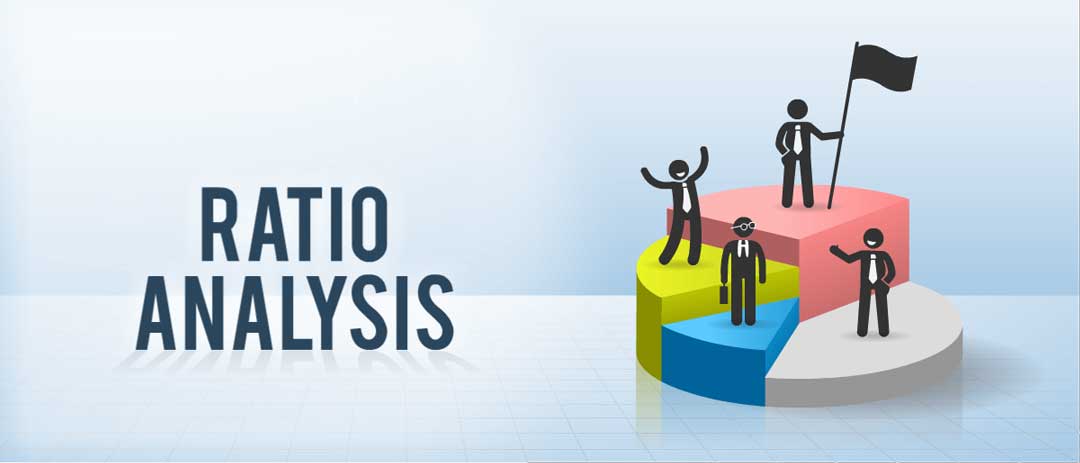
Financial statements’ analysis consists of a comparative study of accounts’ relations and trends to determine a company’s economic and financial position.
There are methods to analyze, simplify, understand and value the information to know the changes year by year.
We can use several methods, and even each one works independently, they work together with the others. The analyst or the interested party in analyzing financial statements can choose which one fits well to have an accurate analysis based on its objectives.
An internal or external analysis must indicate the possibilities to obtain profit and prove a company’s solidity.
Reasons to analyze financial statements include satisfying obligations, reaching commercial opportunities, making expansions with existing resources, buying bonuses, selling shares, and even getting mortgages to continue the interest payments or dividends.
Analysis can be vertical or horizontal, depending on if there are one or more years. Read our previous articles to learn more about vertical and horizontal analysis.
Methods include indexes or ratios, known as additional techniques, to make financial or business decisions. Financial analysts must follow their judges concerning what they want to know about a company and then develop specifics analytics processes for each situation.
In this order, first, we have the current ratio or solvency index; this ratio measures the credit confidence level and the company’s payment capacity in the short term.
Second. Accounts receivable and accounts payable usually require analysis. The Accounts receivable rotation or receivable index measures the efficacy between credits and receivable and the human capital regarding credits given to clients. The analyst must also consider performing a credit conditions analysis.
Third. The Inventory Rotation index indicates how many times the inventory has been sold and bought during the year. Inventory analysis must include a price market analysis, season conditions, department rotation, and considering inventory components.
Fourth. The Property, Plant, and Equipment Rotation index measures a company’s capacity to generate income based on property, plant and equipment inversions.
Fifth. Indexes to analyze liabilities are the Indebtedness in the Short and Long term; these indexes measure the level of financial need on current or non-current liabilities with equity.
Sixth. Regarding capital, analysts want to identify how much profit the inversion generates with the available assets.
Finally, the financial cycle is not independent of the ratio analysis because the gross margin measures profit after deducting sales cost.
The interpretation of financial statement changes requires knowledge about accounting and the company’s economic activity.
There are cases where studying individual accounts is not enough; they need to be associated with which others they relate to and determine if the changes were positive or negative.
Written by: Andrea Diaz
Newsletters
No Results Found
The page you requested could not be found. Try refining your search, or use the navigation above to locate the post.
Events & Sponsorship
Talent Kids Event 2017
August 19, 2017 RGB Accounting has proudly sponsored the 2017 Talent Kids event organized by Pecora Events on August 19th. RGB Accounting wants to thank organizers, presenters, judges, and all participants for making this a great event. Here we share some of the...
Los Nocheros USA/Canada Tour 2017
June 02, 2017 Argentina's biggest folkloric phenomenon arrived in Toronto, Canada to celebrate its 30 years trajectory. RGB Accounting was one of the sponsors of the event. More from our blog Newsletters Events & Sponsorship Articles &...
2nd Latin American Entrepreneur Conference
May 29, 2017 The Entrepreneur Conference was organized by the City of Toronto's Economic Development & Culture department in partnership with the Latin American Bi-Lateral Trade Initiative (LABTI) which consists of the Consulate Generals of Argentina, Brazil,...
Tax Season 2017 at La Liga Indoor Soccer
April 29, 2017 RGB Accounting has been sponsoring social events to promote cultural values in the hispanic community of Toronto and the GTA. The During the last tax season, RGB Accounting helped many individuals and small business owners to prepare their taxes,...
Articles & Publications
Canada Groceries and Essentials Benefit: Why Filing Your Taxes Matters More Than Ever in 2026
Canada Groceries and Essentials Benefit: Why Filing Your Taxes Matters More Than Ever in 2026 Beginning in July 2026, Canadians will start receiving payments under a newly enhanced federal benefit: the Canada Groceries and Essentials Benefit (CGEB). This new benefit...
CRA Interest Rates Remain at 7%: Why Late Tax Payments Can Cost More Than You Think in 2026
H1: CRA Interest Rates Remain at 7% for Q3 2026: Why Late Tax Payments Can Cost More Than You Think As of July 1, 2026, the Canada Revenue Agency (CRA) continues to apply an annual interest rate of 7% on overdue taxes, Canada Pension Plan (CPP) contributions, and...
Tax Updates That Impact Payroll, Innovation, and Capital Gains in Canada (2026)
Tax Updates That Impact Payroll, Innovation, and Capital Gains in Canada (2026) For Canadian entrepreneurs and SMEs, tax changes aren’t just “filing updates”—they can affect cash flow, hiring, innovation budgets, and long-term exit planning. In 2026, three topics...
Understanding Canada’s New Reporting Standards
Understanding Canada’s New Reporting Standards IFRS 18 and Sustainability Assurance (CSSA 5000) Mid-2026 is a practical turning point for Canadian finance teams—not because everything becomes mandatory overnight, but because two major frameworks are now final,...
From Startup to Corporation: Structuring for Sustainable Growth
From Startup to Corporation: Structuring for Sustainable Growth A Practical Guide for Founders Preparing for the Next Stage A Founder's Dilemma: When Growth Demands Structure Imagine Ana, a driven founder in Toronto who started her business as a side project. What...