
The Canada Revenue Agency (CRA) might have helped you through the lockdown if you lost your job due to COVID-19. The federal government initially announced the Canada Emergency Response Benefit (CERB) that would see qualifying Canadians receive $2,000 per month over 16 weeks. After two extensions, the program’s total length became 28 weeks, and Canadians can receive up to $14,000 through the program.
The CERB is a taxable benefit. The CRA did not deduct the taxes while disbursing the payments. It means that the payment will count as part of your taxable income for the 2020 tax year. If you received any CERB money without qualifying for it, you can repay it to the CRA and avoid paying taxes on the mistakenly received funds.
However, if you truly needed the funds and qualified for it while receiving the money, the CRA will calculate your taxes with the CERB cash you’ve received.
However, before you apply to this federal benefit, you need to know that the CERB is taxable by the CRA.
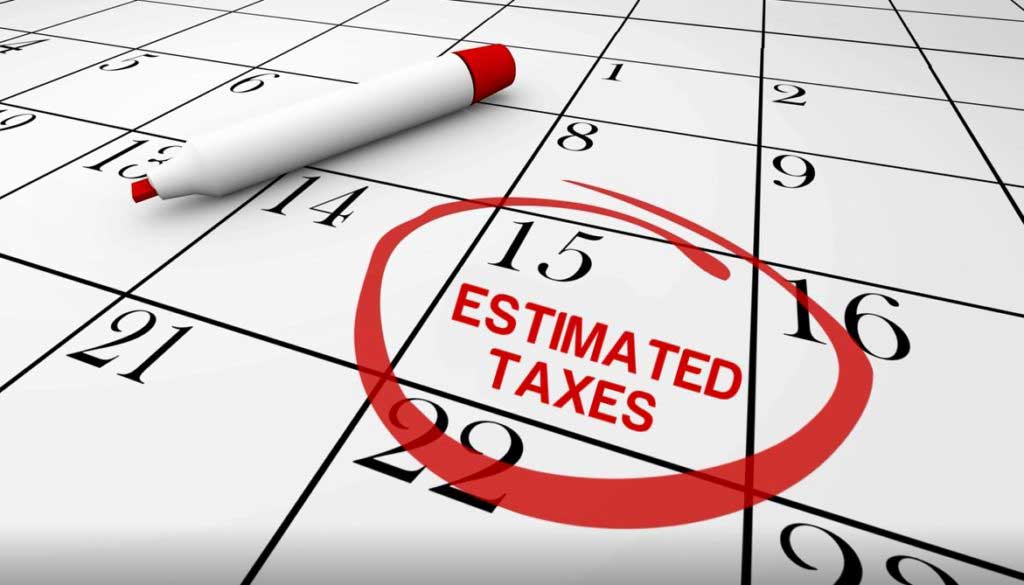
What are your estimated taxes for 2020?
When you calculate your taxes, you need to remember that you have to pay provincial and federal tax. The federal tax is 15% of the first $48,535 of your taxable income for the 2020 tax year. With the pandemic, you might not have earned a lot of money in 2020.
Suppose you receive a full $14,000 over 28 weeks through CERB, you earned $31,000 besides the CERB before you lost your job for the 2020 tax period, and you live in Manitoba. Your total taxable income will be $45,000, and you will have to pay $6,750 in provincial taxes.
The provincial tax for your taxable income will be 10.8% for the first $33,389 and 12.75% on the next $38,775. It means your provincial tax will come around to $5,086. It means that the total tax bill you can estimate in the scenario above is $11,836. Considering the loss of income due to COVID-19, that can be a hefty tax bill.
It is crucial to estimate your tax preemptively so that you can allocate enough funds to pay off the CRA. The next tax season is several months away, and every dollar you set aside can come in handy to pay off your tax bill. If you have any savings as cash that you did not need to touch because of CERB, you can use it to generate some passive income that can offset the tax bill.
Source: Yahoo News
Newsletters
No Results Found
The page you requested could not be found. Try refining your search, or use the navigation above to locate the post.
Events & Sponsorship
Talent Kids Event 2017
August 19, 2017 RGB Accounting has proudly sponsored the 2017 Talent Kids event organized by Pecora Events on August 19th. RGB Accounting wants to thank organizers, presenters, judges, and all participants for making this a great event. Here we share some of the...
Los Nocheros USA/Canada Tour 2017
June 02, 2017 Argentina's biggest folkloric phenomenon arrived in Toronto, Canada to celebrate its 30 years trajectory. RGB Accounting was one of the sponsors of the event. More from our blog Newsletters Events & Sponsorship Articles &...
2nd Latin American Entrepreneur Conference
May 29, 2017 The Entrepreneur Conference was organized by the City of Toronto's Economic Development & Culture department in partnership with the Latin American Bi-Lateral Trade Initiative (LABTI) which consists of the Consulate Generals of Argentina, Brazil,...
Tax Season 2017 at La Liga Indoor Soccer
April 29, 2017 RGB Accounting has been sponsoring social events to promote cultural values in the hispanic community of Toronto and the GTA. The During the last tax season, RGB Accounting helped many individuals and small business owners to prepare their taxes,...
Articles & Publications
Canada Budget 2025 Overview
Canada Budget 2025 Overview (RGB Accounting Blog Article — updated and expanded with verified sources) Introduction Released on November 4, 2025, the federal Budget 2025 is framed around three themes: Build, Protect, and Empower Canada. The government’s narrative is...
Canada’s New Voluntary Disclosures Program (VDP) – 2025 Overview
Canada’s New Voluntary Disclosures Program (VDP) – 2025 Overview (RGB Accounting Blog Article — updated and expanded with verified sources) Introduction Effective October 1, 2025, the Canada Revenue Agency (CRA) implemented major updates to the Voluntary Disclosures...
Incorporating Your Business in Canada: A Complete Step-by-Step Guide
Incorporating Your Business in Canada: A Complete Step-by-Step Guide Incorporating a business in Canada is a milestone that can transform how your company operates. From liability protection to tax advantages, incorporation is often the next logical step for...
Why ADP Payroll Is a Game-Changer for Canadian Small Businesses: Accuracy, Compliance & Peace of Mind
Why ADP Payroll Is a Game-Changer for Canadian Small Businesses: Accuracy, Compliance & Peace of Mind Managing payroll is one of the most critical—and complex—responsibilities for Canadian small businesses. From calculating source deductions to preparing T4 slips...
What You Need to Know: Key Tax Updates Heading into 2026
What You Need to Know: Key Tax Updates Heading into 2026? As we kick off the new year, keeping up with the latest tax changes can help you make smarter decisions about your income, payroll, and long-term financial planning. Here’s a breakdown of the most important...